Industry experts reflect on the past 20 years of compressed air, cooling, chilled water, nitrogen, blower, and vacuum system optimization — and predict what the next 20 years will bring
As Compressed Air Best Practices® Magazine celebrates its twentieth anniversary, we wanted to take a moment to reflect on the remarkable system efficiency gains achieved since our first issue. We also wanted to give subscribers a peek at what the next decades might bring. To do this, we asked a hand-selected list of original equipment manufacturers, independent compressed air system sales and service companies, manufacturing plants and independent system auditors to share their thoughts, highlighting the changes they’ve seen over the past 20 years, then predicting what the next 20 years will bring.
Combining Multiple Technologies to Meet Process Requirements
Greg Duffy, Director of Engineering, Aerzen USA

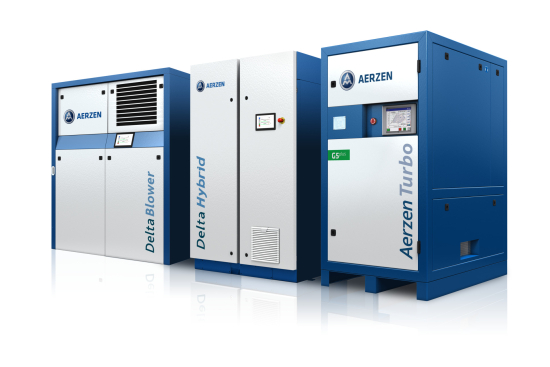
A positive displacement, hybrid rotary screw and turbo blower.
The last two decades have delivered compounding advances across practically every dimension of blower and air compressor technology. Simulation tools that once required dedicated computer infrastructure now run on local clients. Advances in 3D design and CFD modeling have pushed machine geometries closer to their practical isentropic efficiency limits. Wider access to additive manufacturing and five axis CNC machining has improved tolerances while compressing development cycles, making meaningful iteration faster and less costly than at any point in the industry’s history.
The most visible product-level shift has been the maturation of the high-speed direct-drive turbo blower. Entering the U.S. market around 2006, it weathered a technically demanding adoption period and ultimately proved itself as a platform capable of delivering high efficiency, low maintenance and true plug and play simplicity.
As mechanical efficiencies approach their practical ceiling, a more holistic systems engineering approach has taken hold. Drives, motors, couplings, lubrication, cooling circuits and local instrumentation, once secondary considerations, are now recognized as being just as critical to efficiency and performance as the core aerodynamics themselves.
Looking forward, there are remarkable innovations on the horizon. But the most significant shifts are unlikely to center on any single machine technology. Instead, they will come from how those technologies are combined, integrated and delivered. Industrial customers are increasingly looking for engineered solutions rather than individual components. The opportunity lies in assembling blowers, air compressors, vacuum systems and the controls and instrumentation binding them into integrated packages or turnkey unit processes solving a defined problem and arriving ready to commission. Doing this well demands fluency across pressure ranges, process requirements, applications and disciplines that few suppliers can credibly claim.
Markets rewarding this approach will continue to grow. These include wastewater and biogas, pulp and paper, oil and gas, pneumatic conveying, food and pharmaceutical processing, hydrogen and alternative energy storage. What they share is complexity, systems where the interactions between unit operations matter as much as the performance of any individual machine.
The deeper we understand those processes, the more value we can deliver. That has always been true. What has changed is the breadth of portfolio and application expertise required to act on it, along with the growing expectation that we arrive not as a commodity supplier, but as an engineering partner.
A Shift to Total Cost of Ownership
Frank Mueller, President, Kaeser Compressors

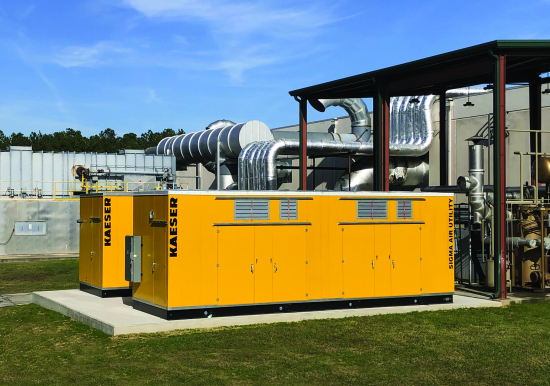
This 3,000 cfm compressed-air-as-a-service utility was delivered ready-to-run in two custom all-weather enclosures.
We congratulate Compressed Air Best Practices® Magazine on 20 years of serving the compressed air, blower and vacuum industry. Reflecting back on the past 20 years, we’ve seen several major mergers as well as the emergence of new competitors. From a technical perspective, we’ve seen some real innovation as well as fads that came and went, but two overarching trends stand out as major wins for the customer.
Firstly, we’ve seen a shift away from comparing unit specs towards evaluating the total cost of ownership. There have been big improvements in air compressor efficiency, but fortunately, we’ve replaced outdated measures of efficiency (remember ”brake horsepower”?) with verifiable performance (kW/cfm). More importantly, the focus has shifted from individual air compressor efficiency to system-level performance. Advanced tools for designing compressed air systems, combined with better installation practices, have raised the bar for the entire industry.
Another significant area of change has resulted from the myriad advances in computing, communications and sensor technology. Better onboard sensors and controls now help protect the machinery and allow remote monitoring for better reliability and uptime. Likewise, the introduction of more accurate downstream pressure, flow and air quality sensors provides real-time information on system function and allows allocation of compressed air costs to specific production lines.
Looking ahead, we expect the adoption of IIoT (industrial internet of Things) to accelerate as advancing communications, sensor technology and AI improve reliability through predictive maintenance. The benefits of remote monitoring and integrating compressed air into production controls will continue to improve energy efficiency, air quality, pressure stability and overall productivity.
We also expect to see more adoption of less conventional, more comprehensive solutions. These include compressed-air-as-a-service (CAaaS), such as Sigma Air Utility, and complete engineered compressed air systems delivered on site, ready to operate. These are designed to better control the operating environment to ensure reliability, offer more predictable compressed air costs and be flexible for changing plant needs. They reduce CAPEX for new equipment or construction. As industrial workforces become leaner, CAaaS allows customers to focus on their core business rather than system maintenance.
In short, customers will more and more depend on compressed air professionals to be partners in solving challenges, rather than just vendors. Compressed Air Best Practices® Magazine has been vital in this evolution, keeping the industry informed of the technologies and ideas that drive U.S. manufacturing forward.
20 Years of Transformation in PET, Sustainability and Manufacturing
Eric Baronnet, PET Blowmolder and Injection Specialist, Nestlé Waters

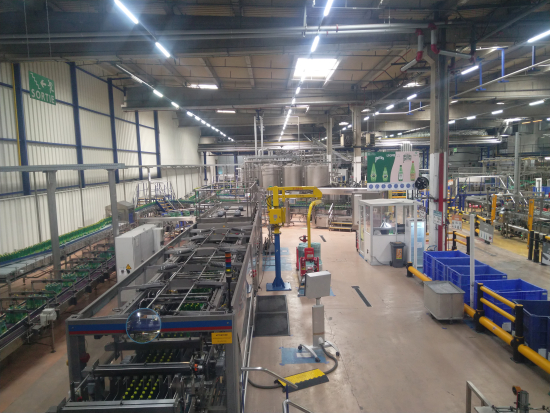
A Nestlé Waters bottling plant.
The past two decades have reshaped the global food and beverage industry, and nowhere is this transformation more visible than in PET packaging and manufacturing efficiency.
For Nestlé Waters, this era marks a decisive shift from output driven industrial performance toward precision, sustainability and intelligent operations, balancing environmental stewardship with world class productivity.
In the early 2000s, PET bottles were heavier, more energy intensive and produced on equipment designed for volume rather than efficiency. Lightweighting quickly became a breakthrough innovation: Advances in preform engineering, the introduction of recycled PET (rPET), bottle eco design evolution and stretch blow molding reduced bottle weights by 30-50% across formats. These improvements cut plastic use, lowered transportation emissions and significantly reduced the total cost.
Simultaneously, manufacturing technology underwent a fundamental leap. High pressure air recovery, servo controlled stretching, optimized oven designs and variable frequency drives significantly lowered the energy footprint of blow molding. Blowing pressure requirements, once 508-580 psig (35-40 barg), have steadily decreased, and next generation blowers are expected to run below 218 psig (15 barg), delivering another major step forward in efficiency.
Compressed air utilities have followed a similar trajectory. New PET platforms should operate with a low-pressure supply below 73 psig (5 barg). At the same time, both high and low pressure compressed air systems have seen substantial improvements in the energy ratio.
Nestlé Waters works closely with leading suppliers to develop and optimize the next generation of air compressors, targeting higher efficiency and improved integration into future low pressure blowing technologies.
The last decade introduced a new frontier: data driven performance management. Real time monitoring, automated quality control, and predictive maintenance helped factories operate with greater consistency and fewer disruptions. Line efficiency increased, changeovers accelerated and scrap rates declined, lowering the cost of producing a liter while elevating manufacturing discipline. This was supported by Nestlé’s broader sustainability strategy, integrating renewable electricity, optimizing water use and mobilizing global energy expert networks to accelerate best practice deployment.
Looking ahead, the next 20 years will redefine PET and manufacturing once again. Circularity will dominate: Large scale rPET adoption, chemical recycling and mono material solutions will reshape packaging sustainability. AI will take center stage in production, enabling digital twins, self stabilizing process loops and fully connected line ecosystems. Energy use is expected to fall further as electrification, heat recovery loops, thermal process optimization and low pressure molding technologies mature.
Our “Reduce, Rethink, Replace” COâ reduction framework – paired with renewable energy investments – will anchor the next phase of transformation.
Manufacturing excellence will depend on aligning environmental responsibility, resource efficiency and competitive cost structures.
The last 20 years have revolutionized PET production. The next 20 will redefine what responsible, low carbon, high efficiency manufacturing can achieve, setting new standards for the entire industry.
Compressed Air in Transition: Past Lessons, Future Opportunities
Maggie Rios, VP Marketing and Communications, Atlas Copco Compressors

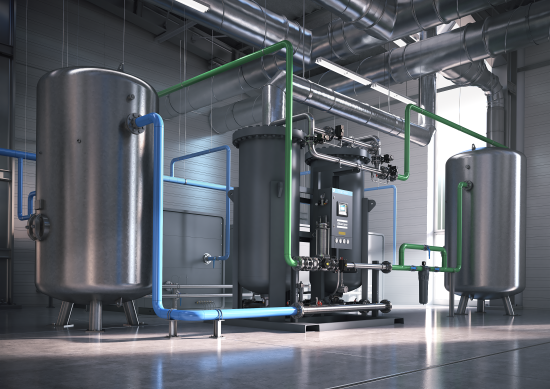
Inside a modern air compressor room at Atlas Copco, where advanced engineering meets efficiency.
Over the past 20 years, compressed air has quietly gone from being a basic utility to something much more critical across food and beverage, manufacturing and automotive operations. What used to be a “set it and forget it” system is now something companies actively manage and optimize. Energy efficiency has been a major driver of that change. Variable-speed air compressors help reduce wasted energy, while oil-free compressed air systems have become essential for maintaining product quality in food and beverage environments. In manufacturing and automotive plants, the addition of sensors and monitoring tools has made it easier to catch issues early and avoid costly downtime.
Another big shift has been the role of data. Compressed air systems are now connected, which means operators can see how their systems perform in real time. That visibility has changed how decisions are made. Instead of reacting to failures, teams can plan maintenance and adjust based on actual usage. Efficiency has also become a much stronger focus than it used to be. Companies are looking closely at how much energy their compressed air systems consume and finding ways to improve performance, whether that’s through more efficient equipment or recovering heat that would have been wasted in the past.
Looking ahead, the next 20 years will likely bring even more integration and automation. Compressed air systems will continue to become smarter, with artificial intelligence helping fine-tune performance based on demand. In food and beverage, there will be even tighter control over air quality and traceability. Manufacturing environments will rely more on fully connected systems communicating with each other, and automotive production will keep evolving alongside the shift toward electric vehicles.
There is also a noticeable shift toward e-commerce to stay aligned with how customers are evolving technologically. Atlas Copco has expanded its digital platforms to better match the expectations of modern buyers who prefer connected, self-service experiences. By investing in e-commerce, we aim to make it easier for customers to explore products, configure solutions and handle orders within a fully digital environment. This approach reflects a broader move toward speed, transparency and accessibility. Customers increasingly expect intuitive tools, real-time information and seamless support that fits into their own digital workflows without unnecessary delays.
While compressed air may appear to sit behind the scenes, it plays an active role in how modern industries operate and plan for the future.
Compressed Air Basics Will Always Matter
Doug Barndt, Senior Manager, Campbell Soup Company

The basics of compressed air management remain fundamental and yet easier said than done without organizational understanding, alignment and commitment to details. The end goals are system performance, reliability and lower total cost of ownership. Having a written standard is essential for decisions. The standard should be specific in criticality but have flexibility for anomalies. Having a long-term, trusted, objective compressed air professional partner is highly recommended to fill end-user gaps and blind spots. Planning, having accurate system data, objective analysis of options and systematic critical thinking are also essential to decision making, where ignorance, urgency, lower cost and easier implementation can pressure success.
Supply system components should be designed for current needs but also considered for potential future changes. A simple compressed air system with less equipment is a theme. Provide physical access for maintenance and replacements. Common component cautions are pressure drop, receiver capacity, pipe sizing, type and layout and the final feet of delivery to point-of-use applications, especially for older systems. Condition the compressed air per clear end-user quality needs. Try to operate with two or three air compressors (and without the need for master controls), and wisely design and choose the turndown method. Having continuous header flow volume and pressure in a data historian is important for performance and energy efficiency management. Be intentional about backup and contingency plans.
Compressed air demand is often an unwise low priority and a supply-side afterthought. Instead, demand excellence should be the expectation. Have a written plan in the formal project management program for fixing and keeping artificial demand to a minimum. Do not allow long-term compressed air assists to help with mechanical problems that can be addressed otherwise. Purposely buy pneumatic equipment and work with suppliers strategically to require less compressed air volume and pressure, even if it may result in a higher purchase cost. Regulate compressed air to the required pressure. Know which equipment and applications are prone to pneumatic problems, such as cleaning a VFD to prevent early failure from heat.
The past 20 years’ reflections still apply to the future, especially with cost and resource pressures. AI and machine learning with monitoring data can probably lead to better efficiency and system monitoring, as well as fewer unfavorable surprises. Having an effective and lower-cost project management program could be challenging, as industry trends toward higher-cost comprehensive service programs, yet effectiveness is pressured by employee turnover. Having proficient service techs and quicker turnaround times on parts and service are risks.
Efficiency and Lifetime Costs Guide the Way for Plant Operators
David C. Andrews, Vice President, Global Marketing and Communications, Hitachi Global Air Power


In the next 20 years, AI-driven compressed air systems will offer continuous monitoring and adaptation.
Thinking back 20 years, my musical mind immediately starts humming along to the Beatles and Sgt. Pepper: “It was 20 years ago today…”
My thoughts settle on two major industry factors: a massive shift in the competitive set and an aging workforce.
The competitive set in the industry has seen both consolidation and proliferation. On the one side, we’ve seen massive consolidation as major air compressor manufacturers have consolidated additional products and lines in the compressed air space, including compressed air treatment, compressed air piping and blowers. The flip side has seen more entrants, especially in the lower horsepower ranges.
At the same time, an aging workforce has impacted manufacturing plants. As recently as 10 years ago, it was common for companies to have dedicated on-site engineers to manage their air compressor rooms, as well as other operations. Increasingly, we’re seeing the individuals who knew the operations side retiring and the roles not being directly replaced. Most of my industry colleagues speak of the declining availability of qualified service techs.
So where does this lead us? Efficiency will continue to increase in importance as users fully understand most of the lifetime cost of an air compressor is based on energy use. This efficiency drive will push air compressor manufacturers to optimize not just products but also how customers use and service equipment.
The increased use of data and AI will be foundational. While today’s air audit uses data to build an optimized compressed air system, the future will see real-time analysis and system adaptation. Much like cars with continuously variable transmissions can adapt to changes in driving, the compressed air system of tomorrow will be able to continuously monitor and adapt to system changes.
Predictive AI will identify issues before they happen, and new system applications will enable not only remote monitoring but remote servicing, as well. While mechanical equipment will always need some physical touch, digital connectivity will drive more system support to actions done either by the air compressor itself or by technicians who never set foot in the air compressor room.
Compressed Air System Improvements in the Cement Industry
Bhaskar Dusi, Manager Process Fuels & Energy, CalPortland

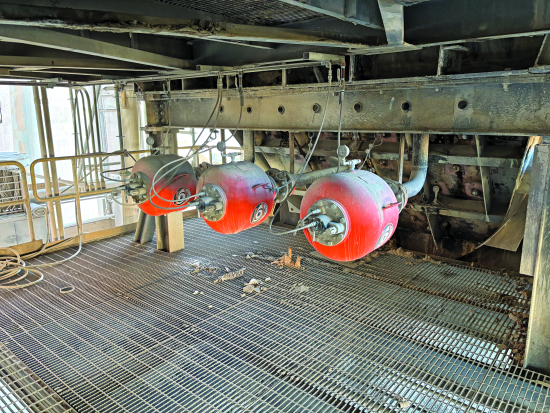
This older kiln blow-off system, which used 100 scfm of compressed air, was replaced with a new kiln blow-off system that included air cannons using 30 scfm of compressed air.
In the cement industry, compressed air is a flexible yet inefficient energy source, with 8-12% conversion efficiency at best. Its flexibility often leads to misuse, which can significantly increase costs. Poor design and maintenance can make compressed air systems a major area of energy waste.
In past years, when plants were built, individual air compressors were installed in departments throughout the plant with no or little storage. There was no compressed air system piping linking the air compressors and no central control systems. To learn the operating pressure and other operating information, one needed to go to the air compressor and note the information. Each air compressor operated as an island and supplied air to one location. This necessitated the need for many air compressors with inefficient operation, as extra capacity from any air compressor couldn’t be shared with other locations. Most of the compressed air piping was underground, making leak detection and rectification difficult.

Conducting detailed compressed air assessments was rare due to low power cost and a lack of sophisticated instrumentation for measuring pressure, flow and leak detection. With the advent of new technology, nowadays we perform compressed air assessments to evaluate the operational issues facing the plant. The goal of these assessments is to get specific recommendations addressing the cost of operation, air quality, repeatability, reliability issues, maintenance and potential productivity improvements.
The most important issues are how the compressed air is made and used. Assessments help operators and maintenance personnel understand the cost per scfm and the air consumption of various processes in the facility. The focus should be on maintaining compressed air as a controllable expense and promoting interdepartmental cooperation.
Demand-side assessments are important, as lowered demand enhances plant productivity by easing the burden on clean-up equipment, improving system stability and pressure flexibility and increasing redundancy as air compressors are turned off. Additionally, reducing compressed air consumption helps avoid capital expenses by extending the life of air compressors.
One of the most common problems in cement plants is low air pressure. Improved control strategies and waste reduction can resolve this issue. In one plant, we reduced the overall output requirements of the air compressors by over 800 scfm, which saved considerable money.
Long-term optimization strategies include continuous monitoring of compressed air systems and upgrading control systems. Some of the best practices we implement include reducing compressed air operating pressure and providing the appropriate amount of compressed air storage for load-unload control. All dust collectors use differential pressure pulse-jet control with a pulse jet management system. Air slides use low-pressure blower-produced air instead of compressed air. Cement kiln shell cooling is accomplished with high-volume flow fans rather than compressed air nozzles. We installed a VSD air compressor with multi-air compressor controllers to improve compression efficiency and automatic reserve capacity. We also use hurricane air canons, which use 50% of less air.
In the coming years, we expect more plants to opt for centralized compressed air stations with central control and monitoring systems. Plants will also put appropriate storage tanks at each demand department to operate air compressors at full load for maximum efficiency with one or two modulating air compressors.
Redefining Air Quality: Two Decades of Innovation and the Road Ahead for Compressed Air Systems
Tilo Fruth, President, BEKO TECHNOLOGIES USA

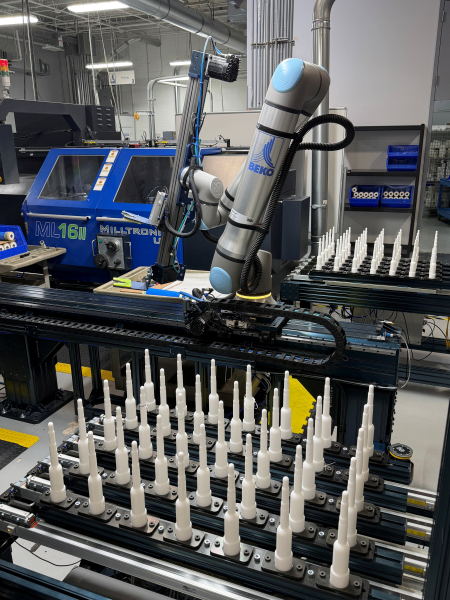
B.E.R.T. stands for BEKO’s Expert Robotic Technician. It was named in honor of Berthold Koch.
Over the past 20 years, the compressed air industry has undergone a remarkable evolution – one driven by tighter quality demands, rising energy costs and increased environmental responsibility. When I look back, the most transformative shift has been the movement toward a deeper understanding of compressed air not simply as a utility, but as a critical manufacturing input whose quality, efficiency and reliability directly influence product integrity.
Two decades ago, compressed air systems were often designed around basic filtration and drying, with monitoring added only when problems occurred. Today, the market expects – and regulations often require – precise air quality aligned with ISO 8573 1 standards. This shift accelerated demand for high performance adsorption compressed air dryers, intelligent condensate management systems and oil free solutions, all areas where BEKO TECHNOLOGIES has invested heavily. The integration of advanced sensors and real time monitoring has been equally transformative. Plants now make decisions based on data, not guesswork, which has elevated reliability and reduced unplanned downtime across industries.
Another major change has been the industry’s response to sustainability pressures. As energy costs climbed and carbon reduction goals became mainstream, the efficiency of compressed air systems became a financial and environmental priority. Heat of compression drying, variable speed technologies and optimized condensate treatment have reshaped how facilities manage the full lifecycle of their compressed air operations. The industry shifted from simply drying and filtering air to optimizing entire systems – and we’re proud to have helped lead that mindset change.
Looking ahead 20 years, I see an equally dynamic future. Digitalization will continue to expand, moving beyond monitoring into predictive optimization. Compressed air systems will increasingly adjust themselves, anticipating load patterns, minimizing energy consumption and aligning quality automatically with production requirements. Sustainability will also intensify, with even more emphasis on reducing waste, recovering energy and eliminating harmful condensate byproducts.
Finally, I expect a growing convergence between compressed air and broader plant automation. Compressed air treatment components will no longer operate as standalone devices; they will be intelligent, networked contributors to a fully integrated production ecosystem.
The last 20 years reshaped what compressed air quality means. The next 20 will redefine how it’s achieved. We intend to remain at the forefront of both areas.
Shifting Service Models and Distributor Value Propositions
Andy Poplin, Vice President of Sales and Service, Atlas Machine and Supply

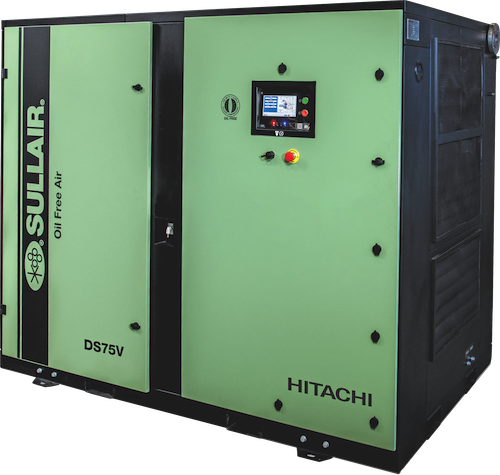
The widespread adoption of VSD air compressors improved part-load efficiency by matching supply to demand.
Over the past 20 years, the compressed air industry has shifted from being a hidden utility to a visible lever for plant profitability. Two major developments stand out. First, the widespread adoption of variable-speed drive (VSD) air compressors improved part-load efficiency by matching supply to demand, cutting energy use and smoothing pressure profiles. Second, improved system assessment techniques – most notably, high-resolution data logging and advanced leak detection – changed how plants prioritized projects. Portable ultrasonic leak detectors, continuous remote monitoring and affordable data loggers let auditors quantify leak loads and control inefficiencies in ways that were previously speculative. Together, these changes reframed compressed air from an assumed free utility to a measurable cost center, spawning targeted repair programs, strategic load sharing and capital optimization.
Those two shifts also drove service models and distributor value propositions. Equipment vendors and service providers evolved from simple parts suppliers and changers to partners offering system analytics, managed maintenance contracts and packaged energy-savings projects with attractive ROIs. The result: Compressed air optimization moved into mainstream energy management programs and corporate sustainability targets.
Over the next 20 years, compressed air systems will be shaped by increased digitization, tighter integration with plant energy systems and broader decarbonization imperatives. Expect three converging trends: First, real-time edge analytics and AI-driven controls will enable truly predictive, demand-driven compressed air networks that automatically sequence machines and coordinate with on-site generation and thermal loads to minimize both cost and carbon footprint. Second, electrification and hybridization – paired with on-site renewables, hydrogen fuel cells, battery storage and heat-recovery systems – will let plants optimize total-site energy rather than air compressor-specific metrics, turning waste heat and storage into economic assets. Third, tighter sustainability reporting and carbon pricing will make lifecycle efficiency central to procurement decisions, accelerating adoption of oil-free air compressors, environmentally-friendly refrigerants and heat-of-compression compressed air dryers.
For operators and service providers, the imperative is clear: Embrace data-driven service models, invest in workforce skills for analytics and controls and frame projects around whole-facility outcomes (energy, reliability and emissions). The next two decades will reward teams treating compressed air not as isolated equipment but as a dynamic, controllable part of a plant’s energy strategy – delivering both operational resilience and measurable sustainability gains.
Redefining Compressed Air: Integrating Efficiency, Sustainability and System Performance
Everson De Campos, CEO, FS-Elliott

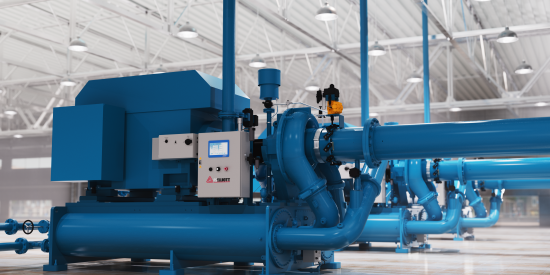
Oil-free centrifugal air compressors are finding a home in large industrial applications.
Over the past two decades, one of the most significant shifts in compressed air has been the transition from viewing air compressors as standalone machines to recognizing compressed air as critical plant infrastructure requiring lifecycle optimization. Twenty years ago, purchasing decisions often prioritized first cost and nameplate capacity. Today, manufacturers increasingly evaluate total lifecycle cost, energy requirements, reliability and air quality risk across the entire system.
This shift has elevated the role of oil-free centrifugal technology in large industrial applications, particularly in high-flow systems where efficiency gains have the greatest lifecycle impact. As energy costs and sustainability pressures increased, the superior efficiency of centrifugal air compressors at scale became more widely recognized. At the same time, industries such as food, pharmaceutical, electronics and advanced manufacturing placed greater emphasis on ISO 8573-1 Class 0 air to eliminate contamination risk. The result has been broader adoption of oil-free centrifugal air compressors as facilities moved toward high-reliability, high-efficiency compressed air systems designed for continuous operation.
System assessment practices have also advanced significantly. Where audits once focused primarily on leak detection and pressure reduction, modern assessments incorporate flow profiling, demand variability, control strategy optimization and lifecycle energy modeling. These tools help plants right-size equipment, improve turndown efficiency and quantify the long-term value of high-efficiency technologies.
Looking ahead, the next 20 years will likely bring even greater integration of compressed air into plantwide energy and digital strategies. Energy optimization and decarbonization initiatives are already pushing manufacturers to reduce energy needs across all utilities, including compressed air. This will accelerate demand for ultra-efficient, oil-free centrifugal compressed air systems in high-flow applications where efficiency improvements deliver the greatest system-level impact.
Digitalization will transform compressed air management. Advances in sensing, analytics and intelligent monitoring enable predictive maintenance, performance optimization and continuous system visibility. Rather than periodic audits, plants are moving toward real-time optimization of compressed air systems as dynamic assets within connected, energy-managed facilities.
Compressed air is evolving from a background utility to a managed, efficiency-critical infrastructure. The plants succeeding over the next 20 years will be those treating compressed air not simply as equipment to be purchased, but as a strategic system optimized over its entire lifecycle.
Monitoring Evolves into a Continuous, Real-Time View
Jim Miller, President, CASCO USA

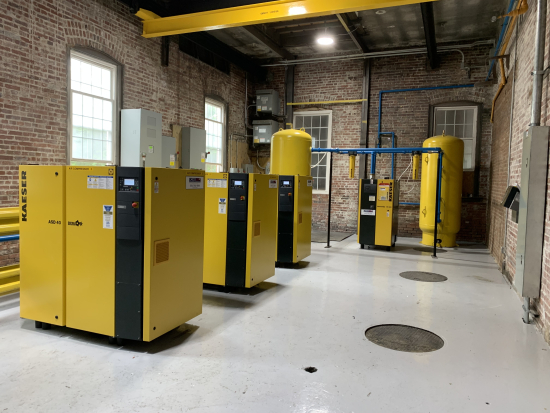
This Pittsburgh-area foundry updated its compressed air system with around-the-clock monitoring.
When I started in the industry over 40 years ago, we had no printers, fax machines or cell phones, and little by way of automation. 20 years later – though still 20 years ago – the internet was in its infancy, and cell phones started to become more common. Understanding a compressed air system meant setting up temporary tools, flowmeters, kilowatt meters and pressure transducers to capture a brief snapshot of system performance. These measurements provided valuable insight, but only for a limited window. Beyond that, air compressors themselves retained little data, leaving much compressed air system performance open to interpretation.
Today, that snapshot has evolved into a continuous, real-time view. Industry 4.0 technologies, remote monitoring and advances in on-board data collection have transformed the amount and quality of information available. Systems are now monitored 24/7, tracking dozens of parameters. Customers, distributors and manufacturers alike can access this data to anticipate maintenance needs, diagnose issues more quickly and minimize downtime, especially in critical applications where reliability is essential.
Looking ahead, the rapid growth of AI and large-scale data analytics will further reshape the industry. Maintenance will become increasingly predictive rather than reactive, with service intervals optimized based on actual system performance. Technicians will rely on detailed system insights to diagnose and resolve issues more efficiently. Sales teams will be better equipped to right-size equipment and design efficient systems tailored to specific applications. Manufacturers will be able to leverage vast amounts of field data to design products that are more durable, efficient and responsive to real-world conditions.
As data increasingly flows across every part of the industry, each step in the process becomes more informed. This evolution creates benefits across the board: End users gain more reliable and efficient systems, service providers gain the tools to respond quickly and effectively and manufacturers gain the insight needed to drive continuous improvement. The result is a more connected, more intelligent compressed air industry. I am excited for the next 20 years of innovation.
One thing the past 40 years of business have taught me is that you cannot fully predict the changes that will take place. Change brings with it both opportunity and challenges. The only way to succeed over time is by providing consistent, quality effort, coupled with the right mix of people to take on the challenges coming our way.
CAC and CAGI Educate on the Correct Use of Energy-saving Technologies
Matt Smith, Vice President of CAS Sales, Mikropor

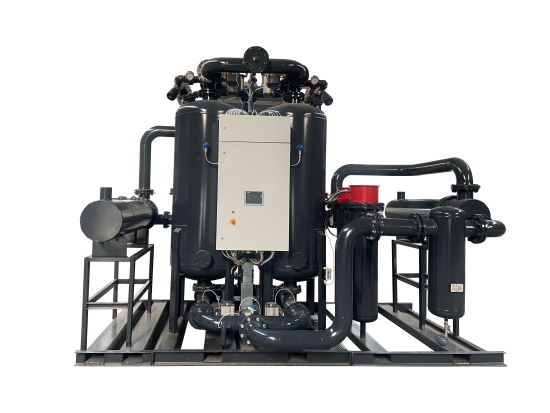
The zero-purge MHOC Heat of Compression Compressed Air Dryer relies on heat generated by oil-free air compressors.
Nearly 20 years ago, I had just finished my MBA and made the move from Ingersoll Rand’s Security Technologies business unit to its Air Compressor business unit. One of my first jobs was working through warranty consideration for misapplied variable-frequency drive (VFD) air compressors. It was the early days of VFDs and hybrid permanent magnet (HPM) motors. There was a lot of excitement around the benefits of the technologies. There was also a lot of misunderstanding of how and when to use them. Some manufacturers pushed the energy savings of VFDs without training enough on how to analyze the demand profile to determine if VFDs were appropriate. And some utilities offered “prescriptive” rebates for VFDs, which rewarded misapplication of VFDs in many scenarios where fixed-speed machines would have been a better choice. This still happens, but the situation is improving due to the good work of the Compressed Air Challenge, which helps everyone in the industry understand there is no silver bullet when it comes to saving energy in compressed air systems. VFD and HPM are great technologies, but you need to understand the compressed air system to know when to apply them appropriately.
There is still so much to do. The good news is the trend we’ve seen over the last two decades to educate all stakeholders in the industry continues, and it will accelerate thanks to the combination of two important industry organizations. The important unbiased education function CAC has provided for the industry will now blend seamlessly into the mission of CAGI, and it will not be de-emphasized or forced to take a back seat. The timing is perfect. CAGI recently added personnel certification programs, so taking on the mantle of educating the industry perfectly complements this push for certification.
CAC, the education foundation of CAGI, will help all stakeholders identify the correct applications for the energy-saving innovations we develop, ensuring reliability continues to be part of the equation. But innovation will continue, and more energy-saving products will be introduced. We’ll see VFD technology expand on the air treatment side of the business. In addition, we’ll see more innovation with combination compressed air dryer technologies, where large systems with specific demand profiles can achieve significant energy savings by pairing refrigerated and desiccant technologies. At the end of the day, we’ll continue to innovate on the product side and improve the reliability and efficiency of compressed air through an industry-wide commitment to education and certification.
Food Producers Are Now Held to a Higher Quality Standard
Phil Kruger, Vice President and General Manager, Harris Equipment

Early in my career as a compressed air salesman, I took my first steps into the food processing industry. As I toured a factory’s compressed air room, taking inventory of its air compressors, distribution system and air treatment, I noted where and how compressed air was being used. The air compressors were oil-flooded (and not H1 food grade oil-flooded) rotary screws, and the air treatment consisted of a refrigerated compressed air dryer. It was 2001, and Safe Quality Foods (SQF) had just emerged in our industry. While I was unfamiliar with SQF, I understood at the very least that a synthetic hydrocarbon oil coming into direct and indirect contact with food couldn’t be a good thing. After watching the contaminated compressed air blown into products I had seen sitting in my kitchen that morning, I began to educate myself on the standards associated with safe food manufacturing. I also made sure my wife never purchased this company’s products again.
Over the past 20 years, awareness of microbiological contamination has become more prevalent, as food manufacturers are being held to higher standards. ISO 8573 is internationally recognized as the standard for determining the purity and or quality of compressed air. Section 1 is the purity classification, with sections 2-9 outlining testing methods for compressed air. ISO 8573-1:2010 provides the guideline for purity of compressed air classifications, which food manufacturers use to provide the safest quality of product.
As food factories have become more aware of these standards, I have seen a more intentional push towards cleaning up the compressed air system. From implementing regular testing and reporting to upgrading equipment, the food industry has leaned into providing safe, quality food to consumers.
However, one big talking point I have been having regularly is the fact that simply cleaning up maintenance programs and upgrading equipment isn’t always working. Pushing clean, dry oil-free air through 30-year-old distribution systems sometimes re-contaminates the air at the point of use. As we progress, I believe future plant managers and plant engineers will have more conversations about replacing entire distribution systems or transitioning to point-of-use compressed air treatment to ensure they provide the highest quality of product for their customers. Stay Tuned.
Cooling Practices Adapt to Water Efficiency Goals
Troy Reineck, Business Development Manager, EVAPCO

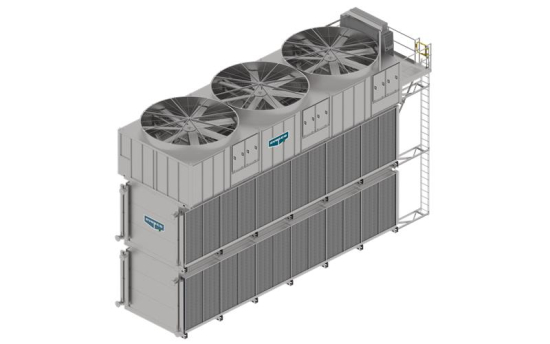
The eco-Air APEX provides air-cooled heat rejection.
Over the past 20 years, the landscape of heat rejection equipment and industrial cooling practices has undergone a significant evolution driven by shifting priorities in energy management, water conservation and operational efficiency.
In the early 2000s, energy efficiency stood as the dominant force shaping equipment selection and facility design. During this era, open cooling towers were widely adopted as the primary method for heat rejection, valued for their effectiveness and relative simplicity. In the data center space, power usage effectiveness (PUE) quickly became the industry’s foundational metric, guiding decisions aimed at reducing the amount of energy consumed by supporting systems relative to computing workloads. This metric-driven approach led organizations to invest heavily in technologies minimizing electrical consumption while ensuring high-performance operation.
Over the past decade, however, the conversation broadened. Water efficiency began moving to the forefront as global awareness of water scarcity increased. This shift prompted a growing reliance on hybrid, adiabatic and dry cooling systems, as well as other water saving technologies designed to strike a balance between thermal performance and responsible water use. As both water and energy concerns intensified, the industry entered a new era where the challenge was no longer singular. Instead, it became essential to balance water and energy consumption simultaneously. This dual-focus approach laid the groundwork for a more holistic understanding of operational sustainability.
Looking ahead to the next 20 years, water scarcity is expected to become a defining factor in how heat rejection equipment is designed, selected and installed. Regions facing heightened water stress will require solutions dramatically reducing or even eliminating dependence on evaporative cooling. Meanwhile, the rise of AI data centers and massive industrial facilities will transform expectations for scale, resilience and efficiency. These facilities will operate with unprecedented intensity, demanding innovative approaches to cooling and power distribution. As a result, PUE, water usage effectiveness (WUE) and overall operational risk will emerge as the three primary forces shaping future technology decisions. The interplay among these factors will influence not only equipment choices but also broader design philosophies as industries seek systems that are energy efficient, water conscious and resilient in an unpredictable global environment.
Customers Expect Outcomes, Not Simply Equipment
Larry Rasmussen, CEO and President, Rasmussen Air & Gas Energy

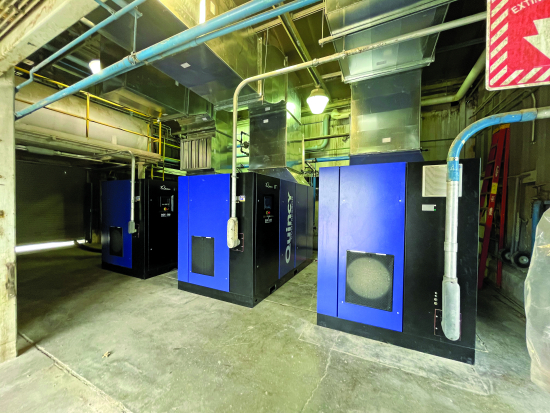
System reliability is achieved through the integration of proper equipment selection, expert installation and planned maintenance – now enhanced by data, connectivity and predictive analytics.
Over the past 20 years, the compressed air, vacuum and cooling industry has undergone a quiet but profound transformation. Historically, success in this space was driven by mechanical reliability and incremental improvements in equipment performance. While reliability remains foundational, the center of gravity has shifted toward data, connectivity and how effectively organizations bring solutions to market.
One of the most notable changes has been the increasing complexity of go-to-market strategies. End users are no longer simply purchasing equipment – they’re seeking outcomes: efficiency, uptime, sustainability and total lifecycle value. This has challenged traditional distribution models and forced manufacturers and service providers alike to rethink how they engage customers. At the same time, consolidation among major OEMs has reshaped the competitive landscape. As large players have merged and streamlined portfolios, opportunities have emerged for global and niche brands to enter and gain traction, often by being more agile or specialized.
Private equity has also played a significant role in accelerating change. Investment has brought both capital and urgency, driving operational efficiencies, expanding service platforms and increasing expectations for scalability and returns. In many cases, this has elevated professionalism across the industry – but it has also intensified competition and shortened decision cycles.
Perhaps the most impactful shift has been the rise of data and digital technology. Where once maintenance was reactive or scheduled, today it is increasingly predictive. Sensors, remote monitoring and analytics are transforming how systems are managed, moving the industry closer to true performance-based partnerships.
Yet, for all this change, one aspect of the industry has remained remarkably constant: sales. At its core, sales hasn’t fundamentally changed over centuries. The most successful organizations are still those prioritizing strong relationships, deep customer understanding and exceptional service. Technology may inform decisions, but trust closes deals – and great sales teams continue to be defined by their ability to deliver value and support over the long term.
Looking ahead, the next 20 years will likely amplify these trends. Artificial intelligence and advanced machine learning will further enhance predictive capabilities – not only identifying equipment failures before they occur, but also anticipating demand patterns, supply chain disruptions and even the effects of geopolitical and regulatory changes. The industry will need to adapt quickly, integrating these tools into both operations and strategic decision-making.
Successful organizations will balance technological sophistication with practical execution – leveraging data without losing sight of the fundamental need for reliable systems and trusted relationships. As the landscape evolves, adaptability – grounded in service – will remain the defining competitive advantage.
Vacuum Technology Is Crucial for Highly Technical Manufacturing
Turgay Ozan, President, Busch Group USA

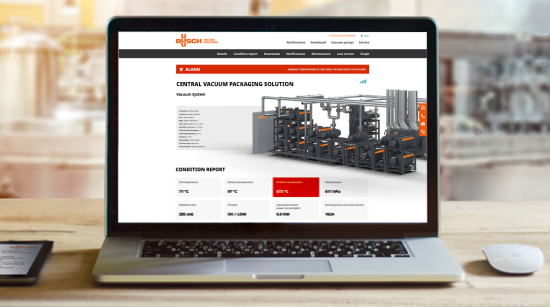
OTTO is a digital monitoring service for vacuum pumps and industrial vacuum systems.
Over the past 20 years, I have seen a remarkable shift in how vacuum technology is perceived in manufacturing. When I first began working in this industry, vacuum systems were often viewed as secondary components – important, but rarely the focus of strategic discussions. Today, that perspective has changed significantly. Vacuum technology has become a critical enabler of many of the most advanced production processes in the world. Industries such as semiconductor manufacturing, pharmaceuticals, food processing and advanced materials all depend on highly reliable and precisely controlled vacuum environments to maintain quality, efficiency and safety.
One of the most significant changes during this time has been the growing complexity of manufacturing processes. As production technologies have advanced, the performance requirements placed on vacuum systems have increased dramatically. Systems must operate with greater precision, higher energy efficiency and greater reliability than ever before. At the same time, manufacturers are under constant pressure to improve productivity while reducing operational costs. This has pushed companies like the Busch Group to innovate continuously – developing new technologies, improving system designs and expanding service capabilities to support customers more effectively throughout the lifecycle of their equipment.
Another major transformation has been the increasing role of digitalization. Twenty years ago, system monitoring was largely reactive. Maintenance was often scheduled at fixed intervals or performed after a problem occurred. Today, digital monitoring and connected systems allow manufacturers to track performance in real time, anticipate maintenance needs and prevent downtime before it disrupts production. This shift toward predictive maintenance has improved reliability while helping companies operate more efficiently.
Looking ahead to the next 20 years, I believe the pace of innovation will accelerate even further. Emerging industries such as renewable energy, hydrogen production and next-generation semiconductor manufacturing will require even more specialized vacuum solutions. At the same time, sustainability will become an even more important factor in equipment design and system operation.
Energy efficiency, reduced emissions and responsible resource use will be central to the future of industrial technology. Vacuum systems will play an important role in helping manufacturers meet these goals while maintaining the high levels of productivity that modern industry demands.
In my view, the next 20 years will be defined by the intersection of innovation, digital intelligence and sustainability. Companies combining these elements while maintaining strong partnerships with their customers will help shape the future of manufacturing.
Reflections on 20 Years of Change in the Compressed Air Industry
Melinda Niewiemski, VP of Sales & Operations, Danmar Industries

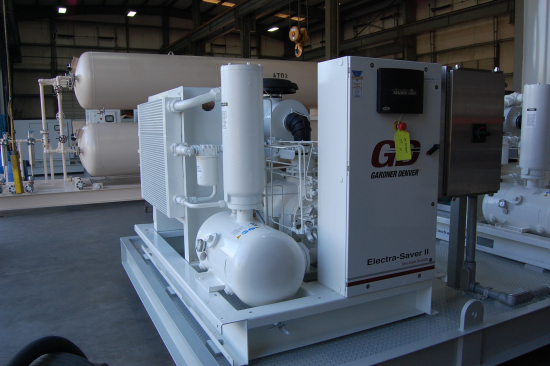
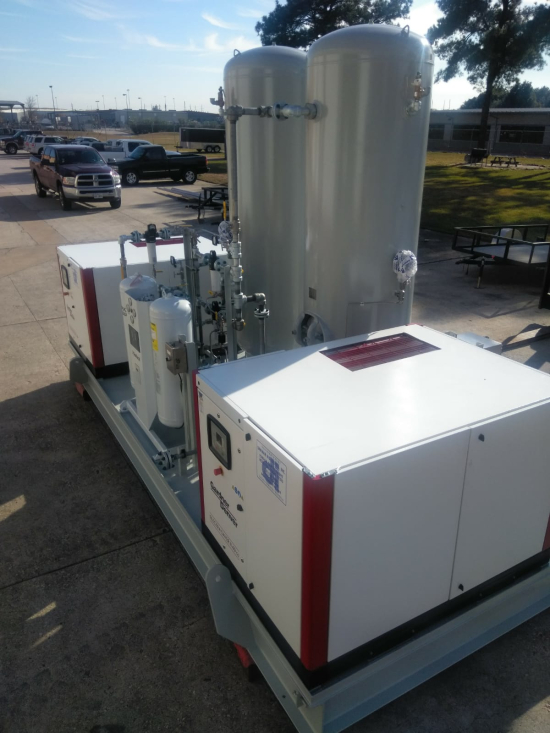
Older air compressors may have been louder and less efficient than today’s models, but thanks to their durable construction, many are still in operation today. This open cabinet, oil-flooded, 100 horsepower, rotary screw air compressor delivers 450 cfm at 125 psig.
Over the past 20 years, the compressed air industry has changed quite a bit, driven by advances in technology, increased market competition and evolving customer expectations. For those of us who have spent decades in the field, the transformation has been both impressive and, at times, worth reflecting on.
Many of us turned to trade publications such as Compressed Air Best Practices® Magazine, which has played an important role in the industry. For years, it has provided education, case studies and practical insight that helped improve system performance and reliability. Many professionals – myself included – have relied on these resources to stay informed and continue learning throughout our careers.
At the same time, the culture of the industry has shifted. Troubleshooting once depended heavily on experience and critical thinking, often without the benefit of today’s advanced diagnostic tools. Many of us learned how compressed air systems behaved by listening to equipment, observing patterns and drawing conclusions from years of hands-on work. Those lessons were often passed on from mentors or gained through experience, building customer trust that defined many successful companies.
Today, electronic diagnostic and monitoring tools play a much larger role. Sensors, controllers and data systems provide faster access to operating information. These tools are extremely valuable and have improved our ability to detect issues early. However, they can, in some cases, replace the deeper analytical thinking that once guided troubleshooting. Technology should enhance expertise, not replace it.
Another noticeable change has been the increasing focus on market share and profitability. In a competitive environment, some manufacturers have shifted priorities toward rapid growth and cost reduction. While this has expanded product efficiency and encouraged innovation, it has also raised questions about whether long-term reliability always receives the attention it once did.
Despite these concerns, the industry has made meaningful progress. Modern systems offer far more precise monitoring, control, and efficiency than those of 20 years ago. Advanced technology now allows us to understand compressed air systems with a level of detail that wasn’t possible – or easily determined – years ago.
Looking ahead, technology will continue to advance, with greater reliance on data, automation and system optimization. The challenge will be balancing these innovations with the foundational knowledge and critical thinking that have long defined the industry.
Looking back, the greatest strength of the compressed air industry has always been the combination of knowledge, experience and innovation. Moving forward, the challenge will be ensuring that new technology supports – rather than replaces – the practical wisdom built through years of experience in the trade.
A Focus on Energy Efficiency
Chad Larrabee, Technical Editor, Compressed Air and Gas Institute


The working group for ISO 11011 is currently reviewing and rewriting the standard to include current and future needs.
Twenty years ago, the compressed air industry was moving at full speed in a rapidly evolving digital landscape. Powerful handheld computing was emerging, the industrial internet of things (IIoT) was taking shape and the industry was exploring whether compressed-air-as-a-service (CAaaS) might follow the same path as cloud computing, replacing on-premises servers.
Perhaps the most exciting thing to watch unfold, however, has been the focus on energy efficiency, including audits (a.k.a., assessments). Few could have predicted how profoundly this shift would change the way compressed air systems are delivered, evaluated and managed. Utility programs and U.S. Department of Energy (DOE) initiatives played a key role in raising awareness. The launch of the Compressed Air Challenge in 2000 marked an important milestone, even as a 2001 DOE study noted customer awareness and concern for compressed air efficiency remained low. Over time, that mindset changed. System owners increasingly recognized measurement was essential before improvements could be made, fueling rapid growth in demand for assessments and the birth of best-practice guidance such as this publication.
Formal energy efficiency standards for compressed air soon followed. ASME EA 4 and ISO 11011, released in 2010 and 2013, respectively, helped bring consistency and credibility to compressed air system assessments. The working group for ISO 11011 is currently reviewing and rewriting the standard to include current and future needs.
How will energy efficiency look in the next 20 years? Lower cost instrumentation and AI will change the landscape from point-in-time assessments to continuous, autonomous, system wide efficiency management. Real-time intelligence will produce automated diagnostics and allow for continuous baselining of the system. Optimization will be the result of multiple correlated signals and algorithms self-correcting. Learning-based digital twins will move from nice to have to table stakes for ongoing optimization. As we know, the opportunity isn’t just an air compressor play; it’s a systems play.
While AI will change the work, it will not eliminate the workforce. Human interaction will continue to be needed, but will be better targeted with reduced time to resolve issues. Lower cost of ownership, ease of use and operational transparency become added value drivers to the traditional business goals of safe, reliable and efficient compressed air systems. This long-term shift toward data driven, standardized and continuously optimized compressed air management is only accelerating and will shape the next 20 years of the industry even more profoundly than the last. I look forward to the next 20 years with Compressed Air Best Practices® Magazine in the mix, helping report and guide on efficiency trends.
Truths in Efficiency, Nitrogen Generation and High-Pressure Compression
Nitin G. Shanbhag, President, Alkin & Aykom Compressors

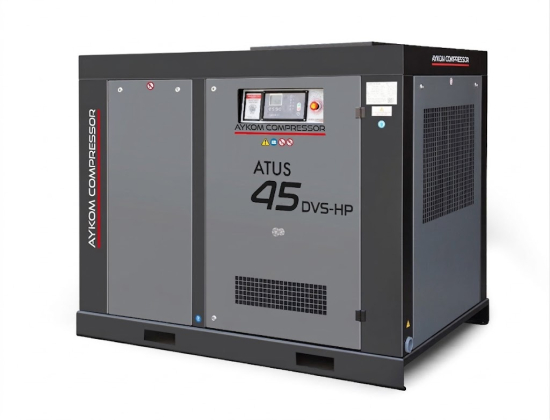
This 290 psi (20 barg) variable-speed drive rotary screw air compressor is a capable choice for high-pressure air and gas compression.
Twenty Years…it seems like only yesterday Rod was just starting Compressed Air Best Practices® Magazine.
Truth in Efficiency. For the longest time, an engineering data sheet from a manufacturer was all that was available to buyers. Those data points prevailed; there was no other way to know the efficiency and performance of an air compressor. But around that time CAGI created and fostered a program for third-party verification of power, capacity, pressure drop and more. Now, for a majority of brands, customers can know what they’re getting before they buy.
Nitrogen Supply and Generation. Traditionally, large white liquid N2 tanks were a common sight outside plants. These tanks are managed by bulk gas providers to supply N2 for a variety of industries. But how well does the system perform? In 2020, I witnessed one of the biggest changes in the supply chain of nitrogen, leading to a reshaping of the industry. COVID brought about many supply chain disruptions, including for N2. Bulk providers sent force majeure letters to end users – often with less than 24 hours’ notice – about stopping the N2 supply. It paralyzed many critical industries, including medical, food, pharmaceuticals and metalworking.
Faced with a crisis, manufacturers learned compressed air can be used to make nitrogen safely and at a fraction of the cost of the bulk providers. N2 generation projects were launched at astounding rates with justified ROI. Many customers have taken this path to N2 supply independence, and their growth continues.
Higher Pressure Air and Gas Compression. Boosting nitrogen has also grown at an astounding rate. Technology has not changed dramatically; however, the method has. Traditionally, boosting to higher pressures was left to traditional reciprocating air compressors, requiring high installation costs. Today, multiplex, standalone, smaller reciprocating compressed air boosters are able to do the same job, albeit with great reliability and less power. An additional industry trend is the use of higher-pressure rotary screw units (290 psi/20 barg) for metal cutting. The ability to cut certain metals with air instead of nitrogen leads to further cost reductions and efficiencies.
The next 20 years will be a bright time for our industry. Fasten your seatbelts and let’s go!
VFDs and Power Electronics Impact Chiller and Utilities Operations
Clayton Penhallegon, Jr., Managing Member, Integrated Services Group

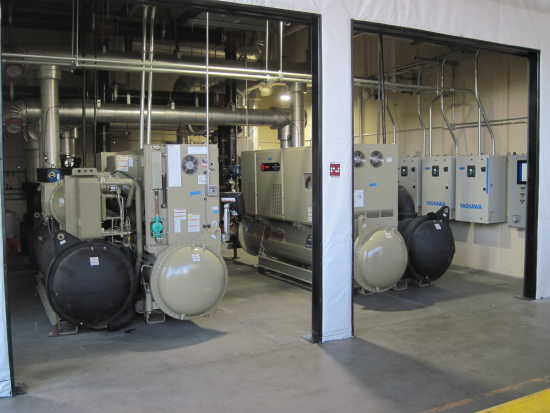
Variable frequency drives are now common in utility systems.
In 2006, AC inverter variable frequency drives (VFDs) were becoming familiar efficiency applications in chiller systems and other plant utilities, but they were still substantially limited in their use. They were cost-constrained to selective installation, for example, as trim units on groups of cooling towers or pumps, where one would have a VFD and the others would be staged on/off as needed.
Since then, lower relative cost and improved reliability have made them ubiquitous in utility systems. Energy codes now require their use in certain applications (e.g., cooling tower fan parallel operation), and they are frequently OEM components in chillers and other packaged devices such as air compressors. Besides dramatically improving energy efficiency and system-side power factors, properly controlled VFDs significantly improve process stability and equipment maintenance costs when compared to using throttling valves, bypasses or other capacity control methods that leave motor speeds continuous at rated rpm.
Moreover, drive integration has created the possibility of applications inconceivable just a few years ago. One is the modest overspeed of standard pumps and fans (up to perhaps 3-10%, highly application specific), where nominal speed operation is shy of the required output. Another is chiller refrigerant compressors spinning, without gearing, at speeds multiple times the nominal 3,600 rpm. Another use is heat recovery chillers that run through much wider ranges of conditions, yielding significantly more effective heat recovery at higher temperatures. All-variable cooling systems, where every component is operated with VFDs, create the potential for optimizing efficiencies throughout the system. Altogether, these have revolutionized the potential for efficiency and performance of plant utilities.
Going forward, complementary evolution in power electronics and AI integration will further advance the performance of plant utilities. This will bring additional efficiency to systems during the great many hours of off-design operation, capturing savings that quite often now are too marginal to pursue. Additional advances in battery storage, permanent magnet motors and other power control capabilities will drive higher efficiency. Self-learning controls will process data from integrated VFDs for self-identification of off-normal or undesirable conditions (such as high leak rates vs. useful air use), more accurate maintenance needs identification and other benefits.
Compressed Air Assessments Reveal True System Costs
Paul Edwards, President, Compressed Air Consultants

Paul Edwards discovered this Imperial Type 10 air compressor at a plant in Finland, where it performed for over 90 years. He believes there will be as much change in the compressed air industry in the next 20 years as there has been since this model was built.
Over the past 20 years, one of the most important changes in compressed air and related utility systems has been a gradual increase in the visibility of what is actually at stake. Plants are generally more aware today that these systems affect far more than energy. Awareness is increasing that “It’s about money,” which translates to operating costs, productivity issues and capital costs. That is real progress.
At the same time, end users have changed more slowly than many would like to admit. Too many decisions are still made too low in the organization and are often treated primarily as maintenance matters. Maintenance is essential, of course, but many system decisions have broader operating and financial consequences than a maintenance lens alone can capture. Awareness at upper levels of management is increasing, but there is less time for their involvement, even though it is critical to loop them in on the decision process. They don’t need to understand the technical aspect, but are vital to understanding the financial impact.
Equipment suppliers have upped their abilities, but still, too often, that improvement process is undertaken from an equipment perspective. That is, what equipment can be sold to reduce cost rather than dealing with first principles for optimization. One only has to look at the multitude of VSD air compressors sold into systems with multiple air compressors to realize optimizing the customer’s spend isn’t always driving the recommendations. To be fair, this isn’t a blanket statement, but it is happening more often than it should. It’s why there are $20,000 leak detectors when a $7,000 one will produce 90% of the same result. Audits have gotten more prevalent and much better, but they still have a way to go.
The next 20 years will likely be shaped heavily by AI-driven improvements. AI should help accelerate analysis, monitoring, service response and decision support. It may also improve how opportunities are communicated at the corporate level. But that future comes with an important question: Will AI be fed sound system knowledge and good plant data, or a mixture of good information, bad assumptions, incomplete measurements and commercial bias?
That question matters because AI can accelerate good judgment, but it can also magnify weak thinking. A corporate system may recommend an action that looks logical on paper, yet fits plant reality poorly. Sales tools may become more polished faster than the underlying recommendations become more accurate. Service may become more predictive, but only for what is measured well. The cost for studies will likely drop significantly as the value proposition of expertise is replicated en masse.
The market for air compressors may actually shrink, as well, because plants will be more focused on optimizing consumption with the help of AI. If that happens faster than markets grow, consolidation of the industry will continue despite the explosion of OEMs in the last 10 years. And there will be failures as well. It isn’t clear whether or not the equipment companies are prepared for this. In addition, AI will likely come up with novel technologies to further enhance equipment performance. It may be that the be-all end-all air compressor comes from a company that doesn’t even exist today.
In that sense, the future may not reduce the value of strong system assessment. It may increase it. Assessments are the foundation of the future because a quality assessment provides better data, better context and a better basis for decisions. As AI and other tools become more capable, the real advantage will still belong to those who begin with the best understanding of the system.
System Assessments Evolve from Giveaway to Gold Standard
Tom Taranto, Owner, Data Power Services

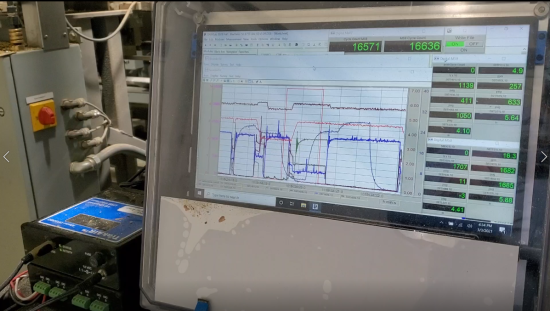
An edge computing supervisory control and data acquisition (SCADA) system connected to a production air compressor characterizes performance and records operating parameters.
In the early 1990s, as a Fluid Power Sales Engineer, I watched compressed air distributors train customers to expect application expertise for free. Jack Keough, Editor of Industrial Distribution Magazine, captured the era’s struggle with a blunt ultimatum: “If you don't charge for it, it's not a service – it's a giveaway. And if it's a giveaway, what is it worth? Nothing.” Expert application engineering was being commoditized.
The change came with the development of the systems approach mindset: Air compressors are one element of the system, which also includes storage, compressed air treatment, distribution, controls and end uses. Training and standards turned audits into billable engineering. Key milestones include the introduction of the Compressed Air Challenge (1998), DOE AIRMaster+ training (2001), ASME EA 4 and ISO 11011 assessment standards (2010–2013) and industry certifications such as CAGI’s specialist and assessor credentials (2018-2026). Compressed Air Best Practices® Magazine helped make those ideas practical and widespread.
The payoff is clear: Service providers and compressed air distributors who charge for assessments preserve margin, differentiate their business by delivering greater value to customers and create technical barriers from price-only competitors. Compressed air, the fourth utility, is also a process variable.
The next 20 years will extend the systems-first approach – powered by data, models and outcome-based services. These five priorities will help define the next 20 years:
Measure before you replace. Make metering and system-wide monitoring routine; eliminate wasted cubic feet at the process level before recommending new air compressors.
Build digital twins from real-time data. Telemetry-driven models let engineers simulate failures, test retrofits and quantify production impacts, shortening payback justification and improving proposal credibility.
Use machine learning for diagnostics and prediction. Machine learning will surface leak patterns, intermittent loads and performance degradation earlier, enabling targeted maintenance and prioritized retrofits.
Shift commercial focus to outcomes. Value uptime, product quality and throughput improvements alongside energy savings via value-based contracts and subscription assessment services.
Standardize credentials and methods. Broad adoption of ANSI/ASME and ISO assessment methods and verified assessor qualifications will let buyers compare proposals on measured value, not marketing claims.
To read similar articles on Blower and Vacuum System Assessments, please visit https://www.blowervacuumbestpractices.com/system-assessments.
To read similar articles on Compressed Air System Assessments, please visit https://www.airbestpractices.com/system-assessments.
To read similar articles on Chiller and Cooling System Assessments, please visit https://coolingbestpractices.com/system-assessments.
Visit our Webinar Archives to listen to expert presentations on Compressed Air System Assessments at https://www.airbestpractices.com/webinars.